


$73 per bottle
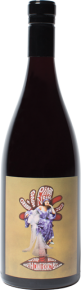
Pinot Noir. She’s like the mysterious woman that keeps disappearing around the corner in front of you. Impossible to pin down, fickle and unfaithful she is none-the-less completely intriguing and worthy of obsession. She’ll lead you by the tongue on a journey that will make you broke and forget your name. What can we say? We’re in love.
TASTING NOTES
VINTAGE
An early bud burst in the first part of September gave a good start to the season. The 2013 season in Marlborough could be described as a very good season which was moderately warm. This sort of season is perfect for producing Pinot Noir grapes that are ripe but do not show over-ripe or stewed characteristics. Cool nights in February and March help retained good acid levels which are essential to high quality Pinot Noir production. There was some rain in late April of 2013 however all the Pinot from Clayvin was harvested within the first week of this month.
VINEYARD
This is one of New Zealand’s original close planted vineyards with a world class reputation for producing full bodied, long living Pinot Noirs, especially because crop levels are naturally low, producing small bunches with small berries. The Clayvin vineyard is situated at the end of the Brancott Valley on gentle north facing slopes in a new area referred to as the ‘Southern Valleys’. All viticultural practices follow organic principles and the vineyard is certified organic. The soil profile is predominately clay, which allows moderate moisture retention to provide the vines with water, preventing undue stress in the typically warmer Marlborough days. Large diurnal fluctuations, (warm days and very cool nights) results in naturally high acid in the Pinot grapes and a very stable pH. A stable pH is essential, meaning acidification is not necessary and allows minimal intervention winemaking techniques to be used. Clayvin vineyard produces Pinot’s with firm tannins but the palate shows a long, linear structure, all typical characteristics of the clay slopes of the Southern Valleys.
WINEMAKING
Traditional techniques were used with little winemaking influences, allowing the wines to practically make themselves. Approximately 30% of the bunches were put directly into the vat (whole bunches) and the rest of the grapes were destemmed directly on top, no pumping, resulting in a high percentage of whole berries. Whole bunches give fine mouthcoating tannins with prominent spicy flavours from the stalks; whereas the whole berries gives abundant round, generous fruit. The grapes were allowed to sit for a 5-6 days (cold soak) and then fermentation started naturally by the grapes own indigenous yeast. The fermenting vats were plunged twice a day, keeping the skins moist and allowing extraction of tannin and fruit flavours. During post fermentation maceration, plunging stopped and instead wine was siphoned out of the vat into a bucket and gently poured over the skins at the surface. This keeps them moist but minimises tannin exaction because the moderately warm season produced berries with thick skins which can result in tannic wines from this vineyard. Total cuvaison (total time on skins) was 21 to 25 days and then the vats were gently pressed; (hard pressings separated) and put to French barrels. Approximately 25% of these barrels were new French oak barriques and the rest, one or two year old barrels. The malo-lactic fermentation occurred naturally in the spring and the only time the wine was removed from the barrel was for blending and bottling after 16-17 months. No fining was use, only a light filtration for clarity.
Other Products
Try some other hashtag or username!